Understanding the psychology of today’s buyer
|
|
|
|
Artificial Intelligence Is Changing Real Estate—But Not in the Way Most People Think
|
Artificial intelligence has quickly become part of everyday life, and real estate is no exception. Today's buyers are using AI to research neighborhoods, compare properties, estimate monthly ownership costs, and understand market trends—often before they ever contact an agent. In many cases, the first "showing" now happens online through photographs, floor plans, video tours, and AI-assisted search tools.
As AI continues to evolve, it will likely become an even more influential part of the buying process. Buyers will increasingly rely on it to compare neighborhoods, evaluate school districts, estimate renovation costs, assess commute times, and analyze market trends. It has the potential to make consumers better informed than ever before.
Yet while AI excels at organizing information and identifying patterns, it cannot fully understand the qualities that often define a property's true value. It can't experience how natural light moves through a home during the day, appreciate the privacy created by mature landscaping, recognize the emotional impact of exceptional architecture, or understand the subtle differences between two streets that appear identical on paper.
I see artificial intelligence as an extraordinary tool—not a replacement for experience. Used thoughtfully, it helps buyers ask better questions and sellers make more informed decisions. The strongest outcomes will continue to come from combining the speed and efficiency of technology with the judgment, local knowledge, and perspective that only years of experience can provide.
|
New Developments to Watch
|
Affordable Housing Approved for 175 Marinwood Avenue, Marin County
|
Plans have been approved for a new 125-unit affordable housing community at 175 Marinwood Avenue in unincorporated Marin County, bringing much-needed housing for households earning 30%–70% of the area's median income. The development will include a public café, retain the existing Marinwood Market, and is expected to begin construction soon, with an estimated 18-month build timeline.
|
|
|
|
|
A New Culinary Destination in Point Reyes
|
Marin's dining scene continues to evolve with the arrival of Bar Auklet in Point Reyes Station. Located in the beautifully restored former Station House Café building, the restaurant celebrates West Marin's coastal character through locally sourced seafood, seasonal ingredients, and wood-fired cooking.
The thoughtfully designed space blends historic charm with contemporary simplicity, creating an atmosphere that feels equally suited to a casual afternoon lunch or an evening celebrating with friends. The menu highlights fresh oysters, local seafood, seasonal produce, and an impressive wine program that showcases California producers.
Whether you're planning a weekend drive through West Marin or looking for a new destination to explore, Bar Auklet is a wonderful reminder of what makes Marin County so special—beautiful surroundings, exceptional local ingredients, and a strong sense of place.
|
|
|
|
|
23 Blossom Drive, San Rafael
|
Discover a thoughtfully reimagined private family compound in San Rafael's desirable Bret Harte neighborhood. With over 3,800 square feet of living space, a resort-inspired pool, detached guest retreat, and flexible spaces for entertaining, work, and extended living, this exceptional property offers a rare blend of privacy, functionality, and California lifestyle.
|
|
|
123 Eucalyptus Knoll St. Mil Valley
|
One of Mill Valley's most attainable ownership opportunities, this thoughtfully updated one-bedroom residence combines comfort, simplicity, and an exceptional Southern Marin location. Fresh finishes, a private garden patio, dedicated parking, and easy access to trails, shopping, and commuting make it an ideal first home, weekend retreat, or low-maintenance lifestyle.
|
|
|
|
|
|
|
The 94117 market continues to reflect one of San Francisco’s more competitive neighborhood dynamics, driven by limited inventory and consistent buyer demand. With just 1.6 months of supply and homes averaging nearly 116% of original asking price, well-positioned properties continue to command strong attention when pricing, preparation, and presentation align.
What’s particularly notable is that this strength is occurring within a relatively contained inventory environment—reinforcing the broader trend we’re seeing across many desirable San Francisco neighborhoods where quality housing remains scarce despite ongoing market uncertainty.
|
|
|
|
|
The Return of Warm Minimalism
|
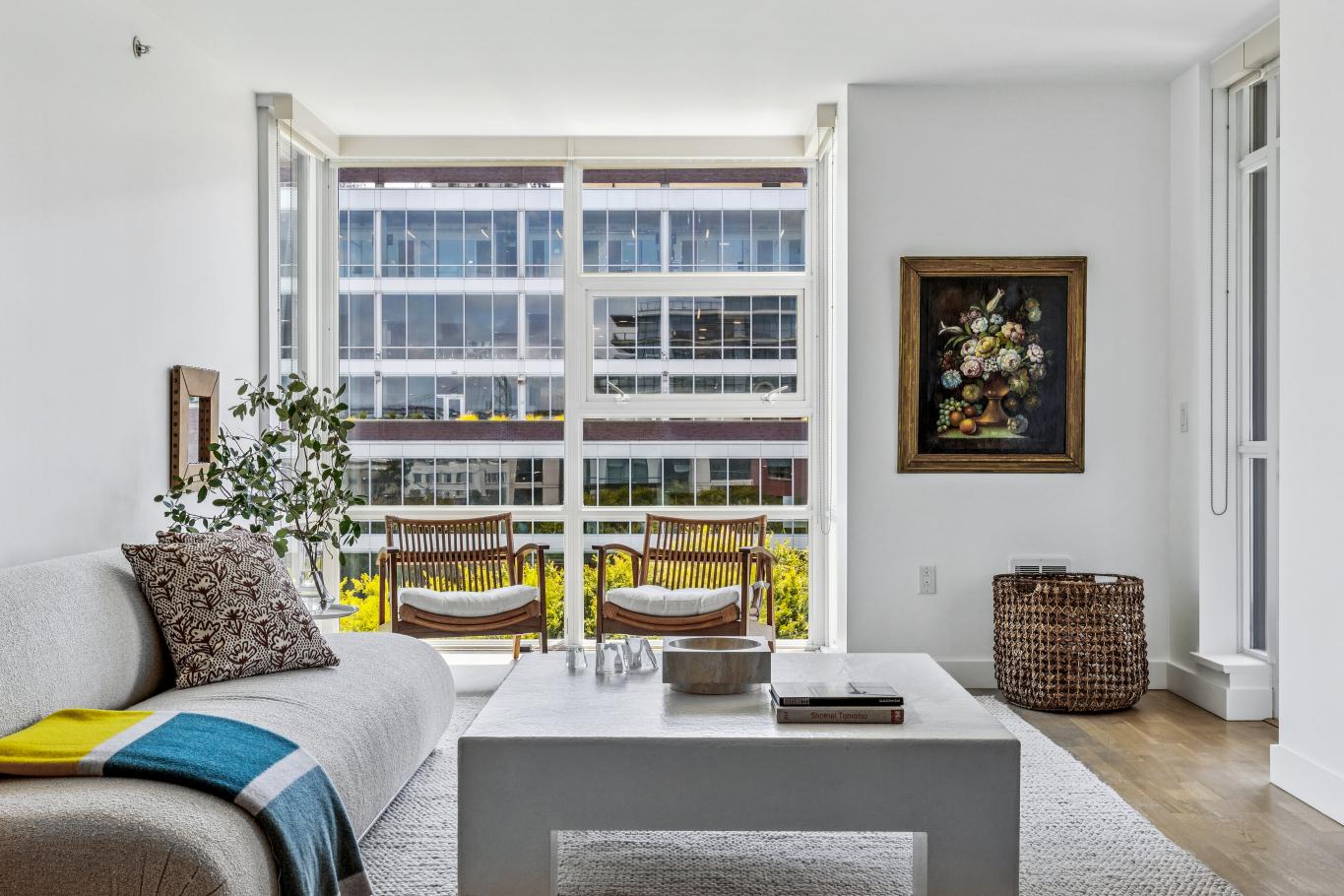
After several years dominated by cool grays and crisp white interiors, designers are embracing a warmer, more welcoming aesthetic. The trend—often called Warm Minimalism—pairs clean lines with natural textures and timeless materials to create homes that feel both sophisticated and comfortable.
We're seeing increased use of white oak, natural stone, textured plaster, linen fabrics, handmade ceramics, unlacquered brass, and layered lighting. Rather than striving for perfection, today's interiors emphasize authenticity, comfort, and craftsmanship.
It's a design direction that not only photographs beautifully but also appeals to a broad range of buyers. Warm, timeless interiors tend to feel more inviting and adaptable, allowing prospective buyers to envision themselves living in the space.
As with good architecture, the most enduring design choices are rarely driven by trends—they're guided by quality, balance, and thoughtful simplicity.
|
|
|
Should Buyers Wait for Lower Interest Rates?
|
Mortgage rates have remained relatively steady over the past several weeks, with many conventional 30-year loans continuing to hover in the mid-6% range. While most economists anticipate that rates may ease gradually later this year, few expect a dramatic decline.
For many buyers, the larger question isn't whether rates will fall—it's whether waiting will actually improve their position. Lower rates often bring increased buyer demand, creating more competition and placing upward pressure on home prices.
Today's lending environment also offers more flexibility than many people realize. Temporary rate buydowns, adjustable-rate mortgages, lender credits, and refinancing opportunities allow buyers to tailor financing strategies to their long-term goals rather than focusing solely on today's interest rate.
The right time to purchase has always been a combination of personal readiness, financial stability, and finding the right property—not simply waiting for the perfect rate.
|
|
|
|
|
|
|
|
|
|